2026
REPTILIA AWAKENING
Today. The beginning of something greater. Garments that carry a message,
a community that recognises itself, a lore that awakens consciousness. Join the Cold Blood Society.
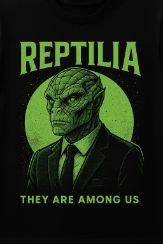
THEY ARE AMONG US
The urban reptilian walking among us. Hood up, piercing gaze in the shadows. For those who know that reality is stranger than we think.
Streetwear IconCoded MessageUnisex
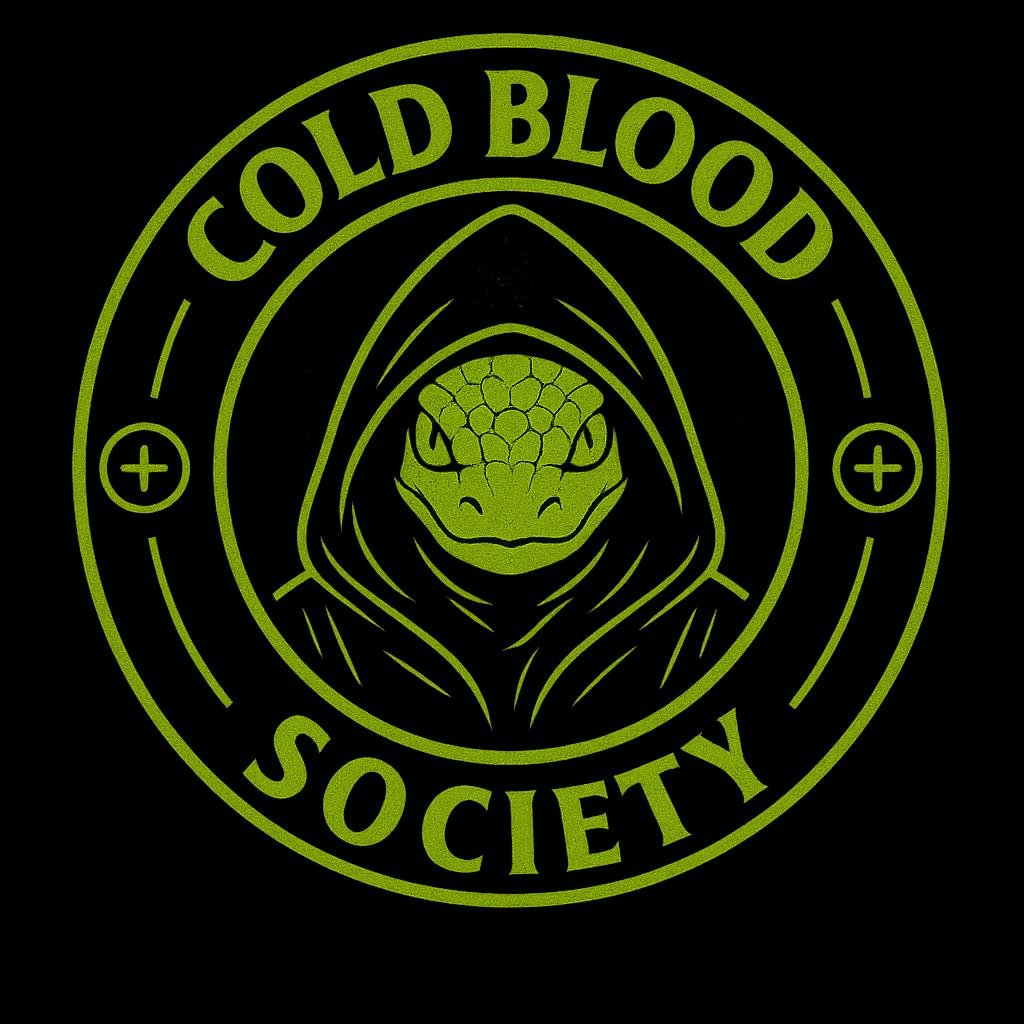
COLD BLOOD SOCIETY
The aristocratic reptilian on its throne. Not a conspiracy — a revelation. Members of the Cold Blood Society recognise each other.
Premium EditionSecret SocietySymbolism
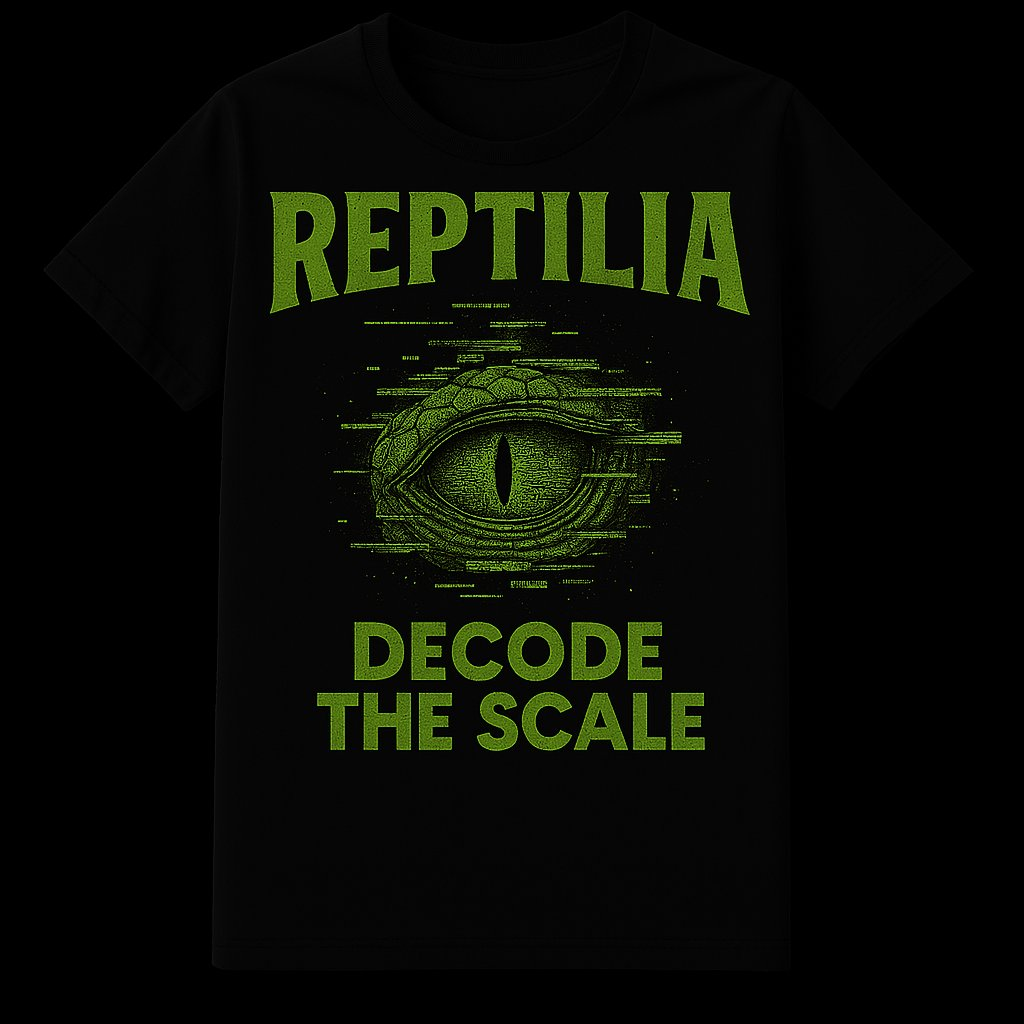
DECODE THE SCALE
Decipher the codes, understand the symbols. The truth is hidden in the details. The scales carry messages for those who know how to look.
CrypticIntellectualSymbolism
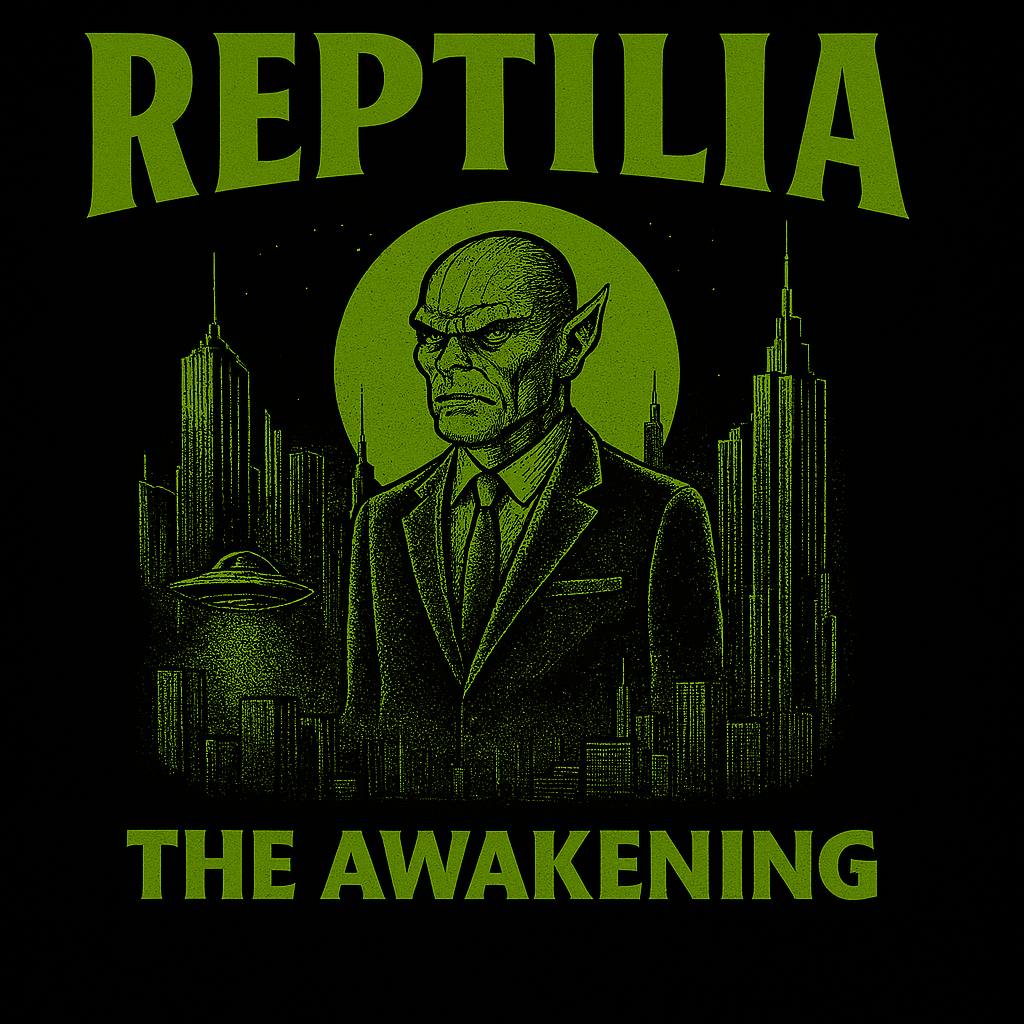
THE AWAKENING
The urban reptilian businessman. Suit, illuminated city, a discreet UFO. They control the towers, the empires, the decisions.
Iconic DesignUrban LegendPremium
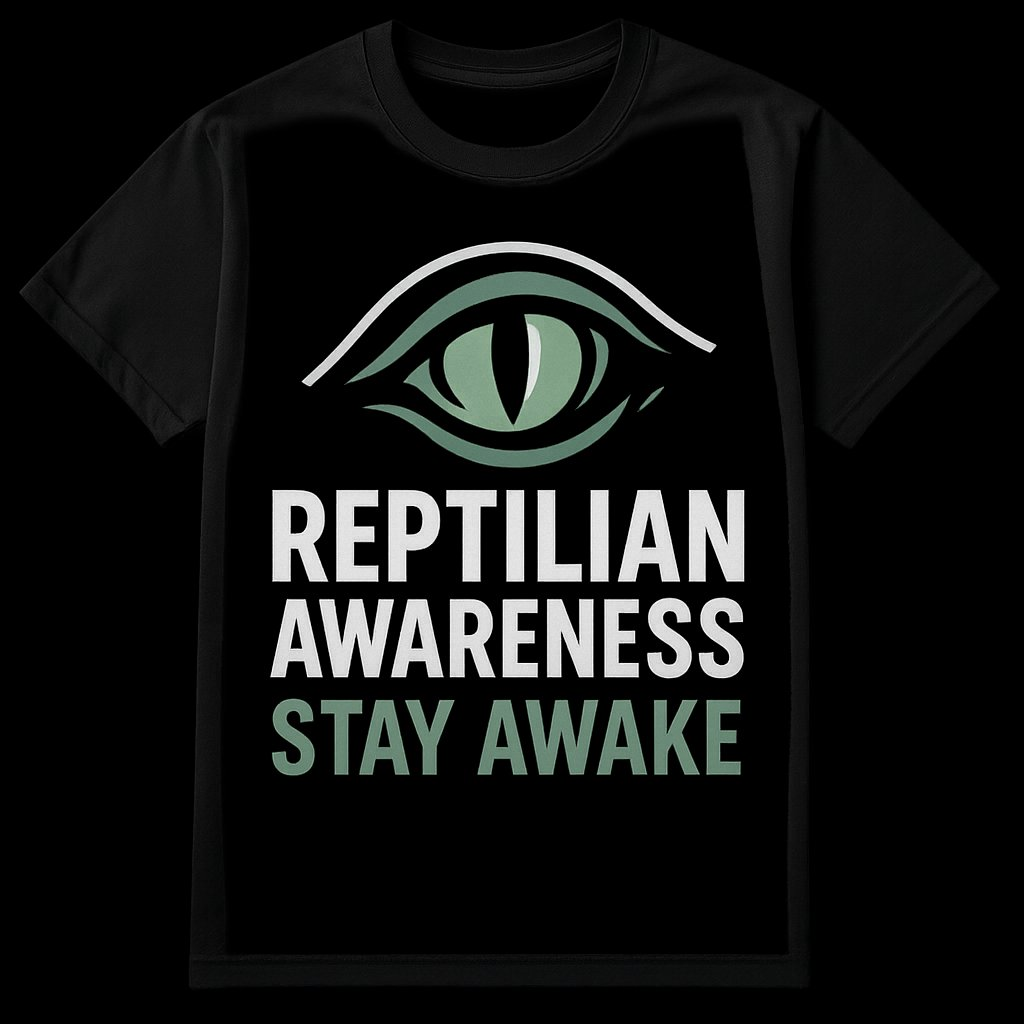
STAY AWAKE
The eye that never blinks. Simple and powerful message: Reptilian Awareness — Stay Awake. For those who refuse to sleep while the world changes.
MinimalistDirect MessageConsciousness
LIZARD EYE
The eye that sees everything. Surveillance, hidden knowledge, vision beyond the visible. The symbol of those who observe in silence.
MinimalistSymbolicIconic